All Categories
Featured
Prepared to dive into the world of Google Analytics 4? We'll cover setup, key features, and how to use it to boost your site's performance. Google Analytics 4, or GA4, is the most current iteration of Google's web analytics platform.
This implies it can track user interactions on both sites and mobile apps, providing a more holistic view of the client journey. The shift to event-based information permits more versatile and detailed analysis, making it much easier to comprehend how users are engaging with your content. One of the key differences between GA4 and UA is its boosted privacy features.
This helps you comply with personal privacy laws while still getting valuable insights into user behavior. Another significant advantage of GA4 is its smooth integration with other Google items, such as Google Ads.
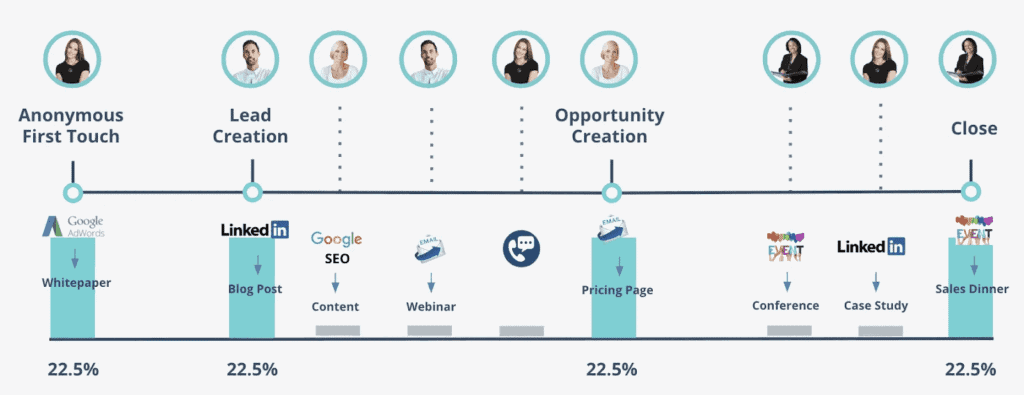
By connecting GA4 with your Google Advertisements account, you can use GA4's insights to improve your advertisement performance and drive better outcomes. Overall, Google Analytics 4 represents a substantial upgrade over Universal Analytics, using more advanced functions, much better privacy controls, and enhanced integration with other Google services.
Advanced SEO Tactics for Online Sites
As soon as you're logged in, go to the Google Analytics website and click "Start measuring." This will begin the setup process. You'll be triggered to develop a represent your company. Enter your account name and configure the data sharing settings according to your preferences. Don't fret excessive about these settings; you can constantly change them later.

A residential or commercial property represents your site or app. Give your residential or commercial property a name, choose your reporting time zone, and choose your currency. Ensure to choose the time zone that matches your business area to guarantee precise reporting. After that, you'll be asked to describe your service. Select the category that best fits your business and select the size of your service.
Now comes the fundamental part: establishing your data stream. A data stream is the source of data for your GA4 home. You can select between a web stream, an Android app stream, or an iOS app stream. If you're setting up GA4 for a site, choose the web stream choice.
Google will then supply you with a measurement ID and a snippet of code that you require to contribute to your site. This code is what allows GA4 to collect data from your website. You can either include the code straight to your website's HTML or utilize a tag management system like Google Tag Manager.

Boosting Lifetime Value With Analytics
GA4 will begin gathering information as soon as users visit your site. Google Analytics 4 is loaded with functions that can help you understand your audience and improve your site's efficiency.
This enables a lot more granular tracking and analysis compared to the session-based model used in Universal Analytics. You can track customized events that specify to your organization, providing you insights into the actions that matter most to you. You can track how many users download a PDF, see a video, or finish a form.
GA4 can track users across both your site and mobile app, supplying a combined view of the customer journey. This is particularly useful if you have both a site and a mobile app, as it permits you to see how users interact with your brand across different gadgets. GA4 also includes maker knowing capabilities that can assist you fill out information gaps and predict future trends.
GA4 can utilize machine discovering to model user habits and offer insights even when cookies are not readily available. GA4's integration with other Google items, such as Google Advertisements and Google Marketing Platform, is another substantial advantage.
In general, the essential functions of Google Analytics 4 make it an effective tool for comprehending your audience and enhancing your site's performance. Its event-based information design, cross-platform tracking, device learning capabilities, and integration with other Google items provide a thorough view of the client journey and enable you to make data-driven decisions.

Latest Posts
Advanced Analytics Tutorials for Growth Managers
The Future of Retention Strategies
Scaling Ecommerce SEO Tactics for Revenue